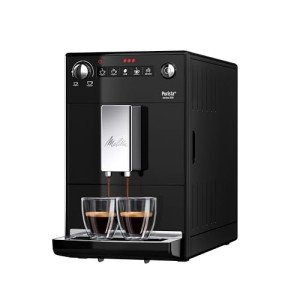
Heat Exchange Espresso Machines: A Comprehensive Guide
Espresso machines have actually developed considerably for many years, catering to the requirements of home baristas and coffee experts alike. Among these machines, heat exchange espresso machines have gained popularity due to their ability to provide constant efficiency and remarkable brew quality. In this article, we will explore the operations, advantages, and important functions of heat exchange espresso machines, offering an extensive understanding for both potential purchasers and coffee enthusiasts.
Comprehending Heat Exchange Technology
Heat exchange espresso machines run on an unique concept that enables simultaneous water heating for developing and steaming. They are geared up with a single boiler that uses a heat exchanger system. This function is substantial as it allows users to brew espresso while steaming milk concurrently, promoting performance in the coffee-making procedure.
How Does a Heat Exchange Espresso Machine Work?
The procedure starts with the machine's water inlet filling the boiler. As the water warms up, it turns to steam. The ingenious heat exchanger uses hot steam to heat additional water in a separate passage created particularly for the brew group. This means that water can reach the perfect brewing temperature level without waiting for the boiler to adjust. The crucial actions include:
- Water Fill: Water is drawn into the boiler.
- Heating Process: The boiler warms up as water is converted into steam.
- Heat Exchange: Steam heats up water in the heat exchanger tube.
- Brewing: Water from the heat exchanger is pressed through coffee premises, drawing out the flavors needed for a rich espresso.
This procedure enables fast temperature adjustments and enhanced coffee extraction.
Advantages of Heat Exchange Espresso Machines
Heat exchange espresso machines offer numerous advantages, particularly for those wanting to maximize their coffee experience. Here are some key advantages:
- Simultaneous Brewing and Steaming: Users can brew espresso while steaming milk, making it perfect for hectic cafes and home baristas who value efficiency.
- Temperature Stability: The boiler's steam pressure helps preserve a steady temperature, which is vital for constant espresso extraction.
- Versatility: The style enables for fast switching between brewing and steaming, making it much easier to produce different coffee beverages, from lattes to cappuccinos.
- Easy to use: Models often come with available controls, making it possible for both novices and experienced baristas to produce quality drinks.
- Professional Quality: Heat exchange machines are typically used in commercial settings, supplying users with high-quality brewing performance in your home.
Secret Features to Look for in Heat Exchange Espresso Machines
When considering the purchase of a heat exchange espresso machine, there are numerous features that one need to take into consideration:
- Build Quality: Look for machines made from long lasting materials, such as stainless steel or brass, guaranteeing durability.
- Boiler Size: A larger boiler will hold more water and sustain greater output with time.
- PID Temperature Control: This feature helps keep consistent brew temperature levels, which can improve the coffee-making procedure.
- Group Head Design: Machines with a saturated or semi-saturated group head offer better temperature level stability.
- Reduce of Use: User-friendly user interfaces and instinctive controls enhance the general experience for baristas at all ability levels.
- Steam Wand Quality: A good steam wand with correct insulation and flexibility permits better texturing of milk.
- Water Reservoir Size: Depending on your needs, consider how typically you wish to fill up the water tank.
Contrast of Popular Heat Exchange Espresso Machines
To better comprehend the choices available in the market, listed below is a comparison table of some popular heat exchange espresso machines:
| Machine Model | Boiler Size | PID Control | Cost Range | User Ratings |
|---|---|---|---|---|
| Profitec Pro 700 | 2.0 L | Yes | ₤ 2,000-₤ 2,500 | 9.5/ 10 |
| Rocket Espresso R58 | 1.8 L | Yes | ₤ 2,400-₤ 2,800 | 9.4/ 10 |
| Elekta Bianca | 1.8 L | Yes | ₤ 2,500-₤ 3,000 | 9.6/ 10 |
| La Spaziale S1 Vivaldi II | 1.5 L | Yes | ₤ 1,800-₤ 2,200 | 9.2/ 10 |
| Bezzera Magica | 1.2 L | No | ₤ 1,600-₤ 1,800 | 9.0/ 10 |
FAQs About Heat Exchange Espresso Machines
What is the main distinction between a heat exchange and a dual boiler espresso machine?
While both types can brew espresso and steam milk at the same time, dual boiler machines have different boilers for developing and steaming. On the other hand, heat exchange machines use a single boiler and a heat exchanger to accomplish the same function.
Are heat exchange machines suitable for novices?
Yes! Many heat exchange machines are created with user-friendly features, making them accessible for newbies. With proper guidance and practice, users can quickly produce quality espresso.
What type of maintenance do heat exchange espresso machines need?
Regular maintenance includes descaling, cleaning up the boiler, examining seals and gaskets, and keeping the group head tidy. Regular maintenance guarantees durability and consistent performance.
Can I use a heat exchange machine for various types of coffee drinks?
Absolutely! Heat exchange machines permit users to create a variety of coffee drinks, consisting of espresso, lattes, coffees, and more.
Heat exchange espresso machines represent a blend of innovation and custom, providing coffee enthusiasts with the tools needed for crafting the ideal cup. Their capability to simultaneously brew and steam, combined with precise temperature level control, makes them a compelling choice for both home baristas and experts. With Compact Espresso Machines on functions and maintenance, users can unlock a world of charming coffee experiences, ensuring that each sip is as delightful as the last.